Public Safety
In public safety, emotional overload becomes legal exposure.
Police, fire, EMS, dispatch, and corrections operate in environments where trauma exposure is routine, and where a single moment of overload can escalate into incident, scrutiny, and consequence. In these roles, the biggest workforce stability driver is often extended leave: injury leave, stress leave, disability claims, and long recovery periods that tear holes in staffing and readiness.
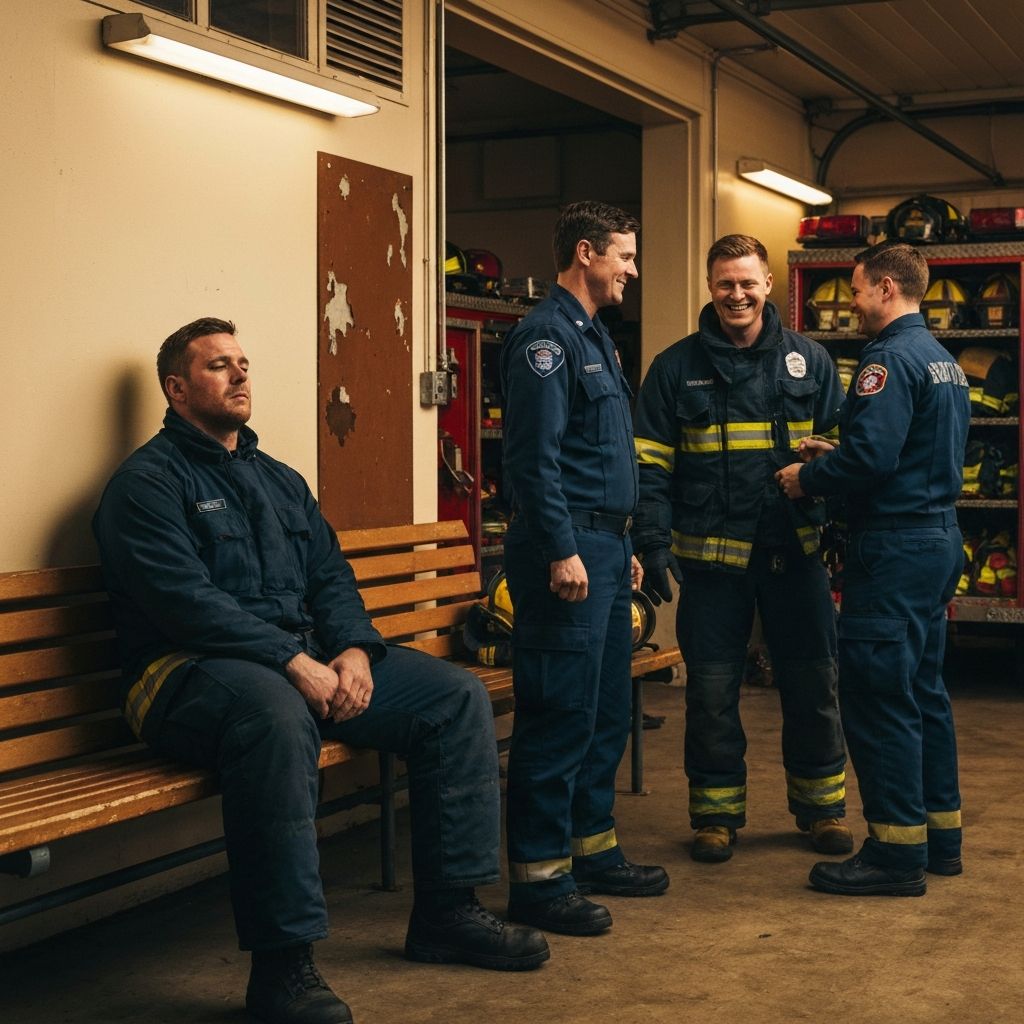
What leaders are seeing
Many agencies absorb >$2M per site annually in preventable instability costs when absences, turnover, overtime, and disruption compound.
Why traditional approaches fall short
Training and peer programs matter, but without a mechanism to:
Detect rising overload early
Current systems leave this gap open.
Provide real-time stabilization after exposure
Current systems leave this gap open.
Give leadership visibility before leave spikes and incidents occur
Current systems leave this gap open.
Your people show up every day carrying more than anyone should ask.
Recess gives them a system that shows up for them in return, stabilizing the nervous system, reducing the load, and keeping your best people on the floor, in the classroom, and on the line.
How Recess stabilizes public safety systems
Detect
Baseline team strain and exposure risk early.
Relieve
Quick protocols for nervous system stabilization after calls/incidents.
Predict & Prevent
Leadership visibility + actionable recommendations before instability spreads.
Outcomes That Matter
Corrections
Corrections environments concentrate trauma exposure: violence, threat, moral injury, and chronic hypervigilance.
- Higher burnout velocity
- Higher leave utilization
- Higher incident probability under staffing strain
Stability is safety.
Military & Veteran
For many military and veteran populations, seeking mental health support can carry perceived career risk. Recess offers a different pathway:
- Self-paced
- Confidential-feeling
- Non-disruptive
- Built for real-time stabilization without "stepping out" of role identity
This matters in cultures where people avoid care until they are already in crisis.
If your workforce is exposed to trauma as part of the job, Let's Talk.
In 30 minutes, you'll see how the system works, and whether it fits your environment.